Ligusticum chuanxiong oil in Penetrex Balm
Oil from the rhizome of Sichuan lovage, an aromatic root used for centuries in traditional Chinese herbal practice.


Ligusticum chuanxiong is the least familiar name on the Penetrex Balm ingredient list, and the one most people will want to look up. It is an aromatic root from the carrot and celery family, and its oil adds a warm, herbal, slightly celery-like note to the formula.
| Plant | Sichuan lovage, Ligusticum chuanxiong |
|---|---|
| Part used | Rhizome, as oil |
| Family | Apiaceae (carrot, celery, parsley) |
| Role in the balm | Traditional herbal note |
| Name on the label | Ligusticum chuanxiong oil |
A root from Sichuan
Chuanxiong is the rhizome, the thick underground stem, of a perennial herb in the Apiaceae family, the same family as carrot, celery, parsley and coriander. The name literally means "Sichuan lovage", after the Chinese province where it is traditionally grown. The picture on this page shows the dried slices in a ceramic bowl next to a fresh green sprig and a corked bottle of oil.
The dried root is one of the most frequently used herbs in traditional Chinese herbal formularies, and its oil is among the aromatic ingredients that give those formulas their characteristic smell.
The scent and the role
The oil is warm, earthy and a little spicy, with a green, celery-like undertone, as you would expect from a relative of celery and lovage. In a balm it works as a background note: it rounds off the sharp freshness of menthol and eucalyptus with something deeper and woodier.
It also explains the botanical character of Penetrex Balm. With safflower flower extract and the oil of lavender and eucalyptus, chuanxiong places the formula in the family of herbal balms rather than plain mentholated rubs.

A herb with a long story
Chuanxiong has been part of the herbal tradition of East Asia for a very long time, and its oil brings that tradition to the label of the balm. Penetrex Balm is a topical product for everyday comfort, made for simple daily use: apply, press lightly, once or twice a day.
If you enjoy knowing the story of the things you use, chuanxiong is a good one: a root of a plant that travelled from the mountains of Sichuan into the herbal cabinets of half the world.
Who should take care
People who are sensitive to celery, carrot, parsley or other plants in the same family should read the pack and do a small patch test before using a balm with chuanxiong oil. Apply a thin layer to clean, dry skin, keep the balm away from the eyes and broken skin, and wash your hands after use.
If the skin turns red, itchy or uncomfortable, wash the balm off with mild soap and water and stop using it.
Where is ligusticum chuanxiong oil on the Penetrex Balm label?
The carton prints it as Ligusticum chuanxiong oil, one of 29 names in the key-ingredient list. It belongs to the group plants and plant oils, together with eucalyptus globulus leaf oil, carthamus tinctorius (safflower) flower extract, lavandula angustifolia (lavender) oil. Amounts are not published for any ingredient. See the complete ingredient list and the safety notes.
Questions about ligusticum chuanxiong oil
How do you pronounce chuanxiong?
Roughly "chwan-shyong". The name means "Sichuan lovage" and is the Chinese herb name used on the label.
Is chuanxiong related to celery?
Yes, it belongs to the same plant family as celery, carrot and parsley, which explains its green, slightly celery-like scent.
Why is a Chinese herb in a balm sold in Kenya?
Penetrex Balm combines several plant ingredients with menthol and methyl salicylate. Chuanxiong is one of the plant ingredients listed for the formula.
Who should do a patch test first?
Anyone who is sensitive to celery-family plants or to strongly scented products. Test a small patch of skin first.
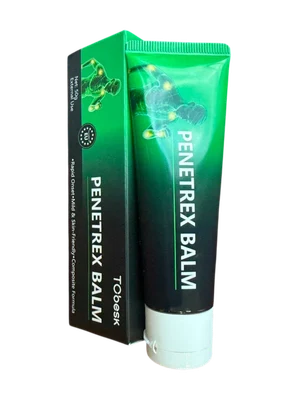
KES 5,990 for the 50 g tube. An operator confirms your order by phone and you pay on delivery.