
Cooling feel
Menthol
Menthol
The crystalline compound of the mint family that gives balms their clean, cooling first touch.
Penetrex Balm lists 29 ingredients on its carton: plant oils and extracts, menthol and methyl salicylate for a cool-then-warm feel, and a smooth base of water, glycerin and waxes.

A tube of Penetrex Balm combines four plant ingredients, two classic sensation ingredients and a smooth, spreadable base. The plants are eucalyptus, lavender, safflower and Ligusticum chuanxiong. The sensation ingredients are menthol for a cool first touch and methyl salicylate for a gentle warmth. The base is water, glycerin, waxes and emulsifiers.
You open the tube and the first thing you notice is the scent: fresh blue gum, a little mint, soft lavender behind it. You spread a thin layer over the skin and feel the cool arrive first, then the warmth. It is a small sensory pleasure, and it is built from ingredients you can read about one by one.
The carton prints the ingredient names without amounts, so none are given here. Below are the six main ingredients, the complete list of 29 names and the role of each group in the scent and feel of the balm.
Two sensation ingredients (menthol and methyl salicylate) and four plants.
Menthol
The crystalline compound of the mint family that gives balms their clean, cooling first touch.

Methyl salicylate
The aromatic compound of wintergreen oil, used in rubs for its warm, minty-sweet scent and gentle warming feel.

Eucalyptus globulus leaf
Blue gum leaf, a tree that lines Kenyan highways and farms, brings the green, camphor-fresh note of the balm.

Lavandula angustifolia (lavender) oil
English lavender oil rounds off the sharp edges of mint and eucalyptus with a soft, calm, floral scent.

Carthamus tinctorius (safflower) flower extract
The orange flower heads of safflower, a plant grown for its oil and its colour, contribute a botanical extract to the formula.

Ligusticum chuanxiong oil
Oil from the rhizome of Sichuan lovage, an aromatic root used for centuries in traditional Chinese herbal practice.
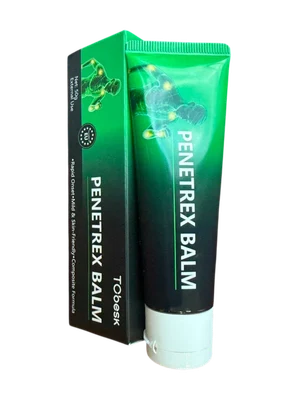
Penetrex Balm, 50 g, KES 5,990. Name and phone number, then a confirmation call. You pay on delivery.
The back panel of the Penetrex Balm carton lists these ingredients in the order printed, including the scientific names.
Ingredients printed on the carton (29 names):
Aqua, Methyl salicylate, Glycerin, Alcohol, Menthol, Eucalyptus globulus leaf oil, Carthamus tinctorius (safflower) flower extract, Petrolatum, Cetearyl alcohol, Turpentine, Dimethicone, Camphor, Ligusticum chuanxiong oil, PEG-100 stearate, Glyceryl stearate, Cera alba, Palm glycerides, Phenoxyethanol, Cetearyl glucoside, Borneol, Citronellol, Triethanolamine, Carbomer, Bisabolol, Thymol, Lavandula angustifolia (lavender) oil, Polyacrylamide, C13-14 isoparaffin, Laureth-7.
The 29 names fall into four groups: plants and plant oils, cooling and warming aromatics, base and texture ingredients, and skin-friendly and preserving ingredients.
Four names on the carton come straight from plants, and they are the reason Penetrex Balm smells like a herbal garden rather than a plain rub. Eucalyptus globulus leaf oil is the blue gum you pass on every highway out of Nairobi. Safflower flower extract comes from bright orange flower heads. Ligusticum chuanxiong oil comes from an aromatic Sichuan root. Lavender oil comes from the purple flower spikes of English lavender.
Together they give the balm its layered scent: green and fresh on top, soft and floral in the middle, a little earthy underneath. Each plant has its own page.
Names on the carton in this group (4):
This is the group that you notice first. Menthol brings the cool, clean first touch. Methyl salicylate follows with a gentle warmth and the sweet, minty smell many families know from traditional rubs. Camphor, borneol, thymol, turpentine and citronellol are aromatic compounds that add depth to the scent, from pine-fresh to herbal to lightly lemony.
The contrast between cool and warm is what makes a thin layer of balm feel like a small ritual at the end of the day. These are also the ingredients that deserve a little care in use: keep the balm on the skin over the area, away from your eyes, and wash your hands after applying.
Names on the carton in this group (7):
Sixteen of the 29 names belong to the base, which is the part that turns oils and extracts into a balm you can squeeze from a tube. Water and glycerin form the fresh, light part. Alcohol adds to the quick, airy feel on the skin. Petrolatum, cetearyl alcohol, dimethicone, cera alba (beeswax) and palm glycerides give body and a smooth glide.
Glyceryl stearate, PEG-100 stearate, cetearyl glucoside and laureth-7 are emulsifiers: they keep the watery and oily parts blended into one even texture. Carbomer, polyacrylamide, C13-14 isoparaffin and triethanolamine are texture and balance ingredients that help the balm hold its shape in the tube and settle when you press it onto the skin.
Names on the carton in this group (16):
Bisabolol is a gentle component of chamomile, a favourite in skin care for its soft, pleasant character. Phenoxyethanol is a preserving ingredient used in many creams and balms to keep the tube fresh from the first squeeze to the last. Two names, small roles, and both explain why a tube can sit in your bag or drawer for weeks.
Names on the carton in this group (2):

Three base ingredients are named in the distributor’s short list. They sit among the sixteen base names on the carton.
Water is the base of the balm and carries the plant extracts and the emulsifier.
Plant-derived glycerides from palm oil give the balm its body, so it spreads smoothly and stays in place.
A plant-derived emulsifier made from fatty alcohols and glucose, it keeps the water and oil parts of the balm blended into one even texture.
Read it from left to right, in the order it is printed, and look for the names you know first. On the Penetrex Balm carton that means aqua (water) and methyl salicylate at the start, then glycerin, alcohol and menthol, then eucalyptus leaf oil and the other plants.
Three habits for reading any label:
No amounts or percentages are published for the Penetrex Balm ingredients, so none are given here. For more on labels, see the guide on how to read a balm label goes further, and the guide to warming and cooling balms explains the cool-and-warm idea in depth.
Penetrex Balm is fragrant. Eucalyptus, lavender, camphor, thymol and citronellol are all aromatic, and aromatic ingredients are enjoyed by most people but can feel strong on skin that is sensitive to scented products.
If you know your skin reacts to perfumes, strong soaps or essential oils, a two-minute patch test is the easy answer:
People who are allergic to aspirin or other salicylates, who are pregnant or breastfeeding, or who are thinking about a balm for a child should ask a doctor or pharmacist first, because methyl salicylate is on the label. The full list of simple precautions is on the Penetrex Balm safety page, and the five steps of application are on the how-to-use page.

Look at the label again and you will see a pattern. A fresh plant layer (eucalyptus, lavender), a cool-and-warm layer (menthol, methyl salicylate, camphor), and a smooth carrying layer (water, glycerin, waxes). Each layer has a job, and the jobs are easy to feel.
The first layer is for your nose. You smell the balm before you touch it, and the scent tells you the day is over. The second layer is for your skin. Cool arrives in seconds, warmth follows, and you press the balm in lightly. The third layer is for your hands. The balm glides, does not drag and stays where you put it.
This is why a 50 g tube works for so many ordinary moments: after a day on your feet in the market, after hours on a boda boda or a matatu seat, after weeding the shamba, after a long laptop session at 9 pm.
One 50 g tube costs KES 5,990. Order Penetrex Balm, answer the confirmation call and pay on delivery; details are on the Penetrex Balm price page.
The back panel of the carton lists 29 ingredients: Aqua, Methyl salicylate, Glycerin, Alcohol, Menthol, Eucalyptus globulus leaf oil, Carthamus tinctorius (safflower) flower extract, Petrolatum, Cetearyl alcohol, Turpentine, Dimethicone, Camphor, Ligusticum chuanxiong oil, PEG-100 stearate, Glyceryl stearate, Cera alba, Palm glycerides, Phenoxyethanol, Cetearyl glucoside, Borneol, Citronellol, Triethanolamine, Carbomer, Bisabolol, Thymol, Lavandula angustifolia (lavender) oil, Polyacrylamide, C13-14 isoparaffin, Laureth-7. The names are shown on this page exactly as printed, then explained group by group in plain English.
The scent is built by Eucalyptus globulus leaf oil, lavender oil and Ligusticum chuanxiong oil, supported by menthol, camphor and methyl salicylate. Eucalyptus is green and fresh, lavender is soft and floral, and methyl salicylate adds the sweet, warm note. Each plant has its own page linked above.
Yes, alcohol is the fourth name on the carton list and is part of the base. It adds to the light, quick feel of the balm on the skin. Because it is in the formula, keep the balm away from the eyes, lips and broken skin, and close the cap after use.
Both are printed on the carton. Camphor and turpentine are classic aromatic ingredients that add a pine-fresh, cooling depth to the scent alongside menthol and eucalyptus. They belong to the cooling and warming aromatics group explained above.
No amounts or percentages are printed on the carton, so this site does not give any. What we can do is show you every name on the label, explain what each one is, and tell you where it sits in the formula.
The carton prints the list in its own order, starting with aqua (water) and methyl salicylate and ending with laureth-7. Lists on balms and creams generally run from the largest part of the formula towards the smallest, which is why the base ingredients and the main aromatics appear early.
The balm contains plant oils and strong aromatics, so a patch test is the smart first step for anyone with sensitive skin. Put a small amount on a small area of skin, wait a while, and carry on only if the skin stays comfortable. The safety page explains the test in detail.
Look on the back panel of the dark green carton, under the heading for key ingredients. When your tube arrives, you can compare the printed names with the list on this page.
Aqua is the standard label name for water. It is the base that carries the plant extracts and helps the balm feel light and fresh.
If you are curious about the feel of the balm, start with menthol and methyl salicylate. If you are curious about the scent, read about eucalyptus and lavender. For the unusual names, see safflower and Ligusticum chuanxiong.
KES 5,990 for the tube. An operator confirms your order by phone and you pay on delivery.
Order Penetrex Balm in Kenya
KES 5,990 · 50 g tube